Cost & Lead Time
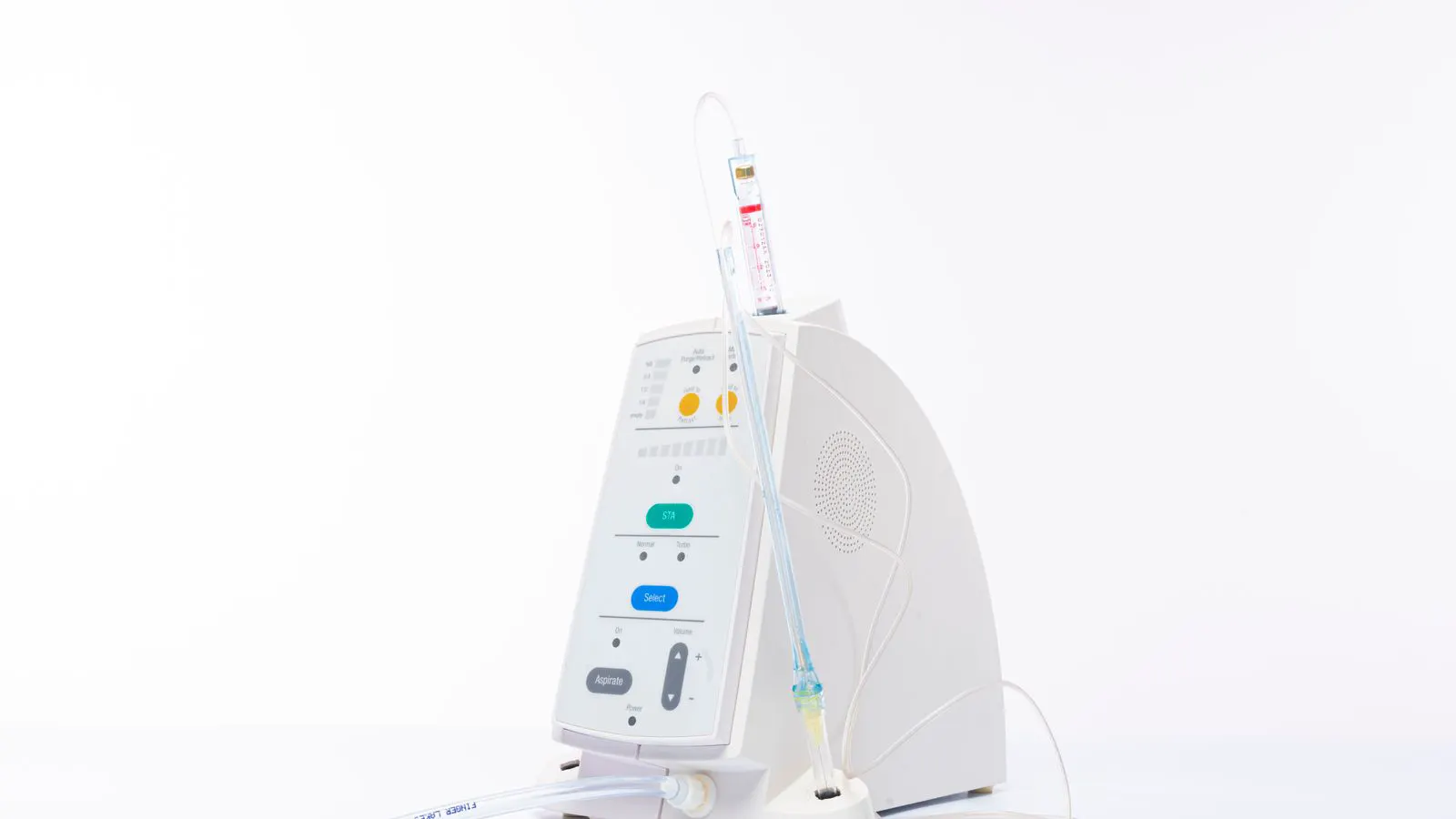
Comparison: Fixed vs Subscription Pricing for Medical Devices
Medical device pricing models split mainly into fixed purchases and subscription services. Fixed models suit high-utilization assets with stable budgets. Subscriptions
Find reliable medical device suppliers, specifications, and regulatory requirements.
Start with the stage of the sourcing process you are in.
Review instruments and treatment systems to find compliant, effective options for surgical and therapeutic use.
Understand global regulatory requirements and certification pathways to streamline market entry for your devices.
Assess pricing models and production timelines to plan budgets and inventory for efficient device procurement.
Apply selection criteria and due diligence steps to identify reliable medical device partners for long-term supply.
Medical device pricing models split mainly into fixed purchases and subscription services. Fixed models suit high-utilization assets with stable budgets. Subscriptions

CE marking and FDA 510(k) follow different regulatory paths for medical device certification. The EU system uses harmonized standards, while the US requires premarket

Laparoscopic tools use smaller ports for less invasive work, while open tools offer direct visualization and tactile feedback. Procurement depends on procedure type
Buyers must decide on suppliers, technical specifications, quality checks, and delivery schedules before placing an order. This site provides clear information to support those decisions. It covers diagnostic equipment, patient monitoring, surgical and therapeutic devices, and the regulatory requirements that govern them.
The content addresses cost structures, lead times, and manufacturer selection. It includes details on quality systems, certification processes, and the documents buyers need to review. The goal is to reduce uncertainty and help professionals make informed sourcing decisions.
Define the technical specifications and regulatory requirements for the intended use. This includes identifying the necessary performance criteria, materials, and certifications before contacting suppliers.
Request documentation on quality management practices, including process controls, testing protocols, and traceability. Review records of non-conformance handling and corrective actions.
Check for applicable compliance certificates, technical file documentation, and declarations of conformity. Verify that the supplier can provide the specific regulatory approvals required for the intended market.
Lead times depend on the complexity of the device and the supplier's production capacity. Custom or low-volume items often have longer lead times than standard, high-volume equipment.
Cost is influenced by materials, manufacturing complexity, regulatory compliance, and logistics. Buyers should request detailed quotes that break down unit costs, tooling, and shipping fees.
Qualify multiple suppliers for critical components. Maintain safety stock for high-risk items and establish clear communication protocols for production issues.