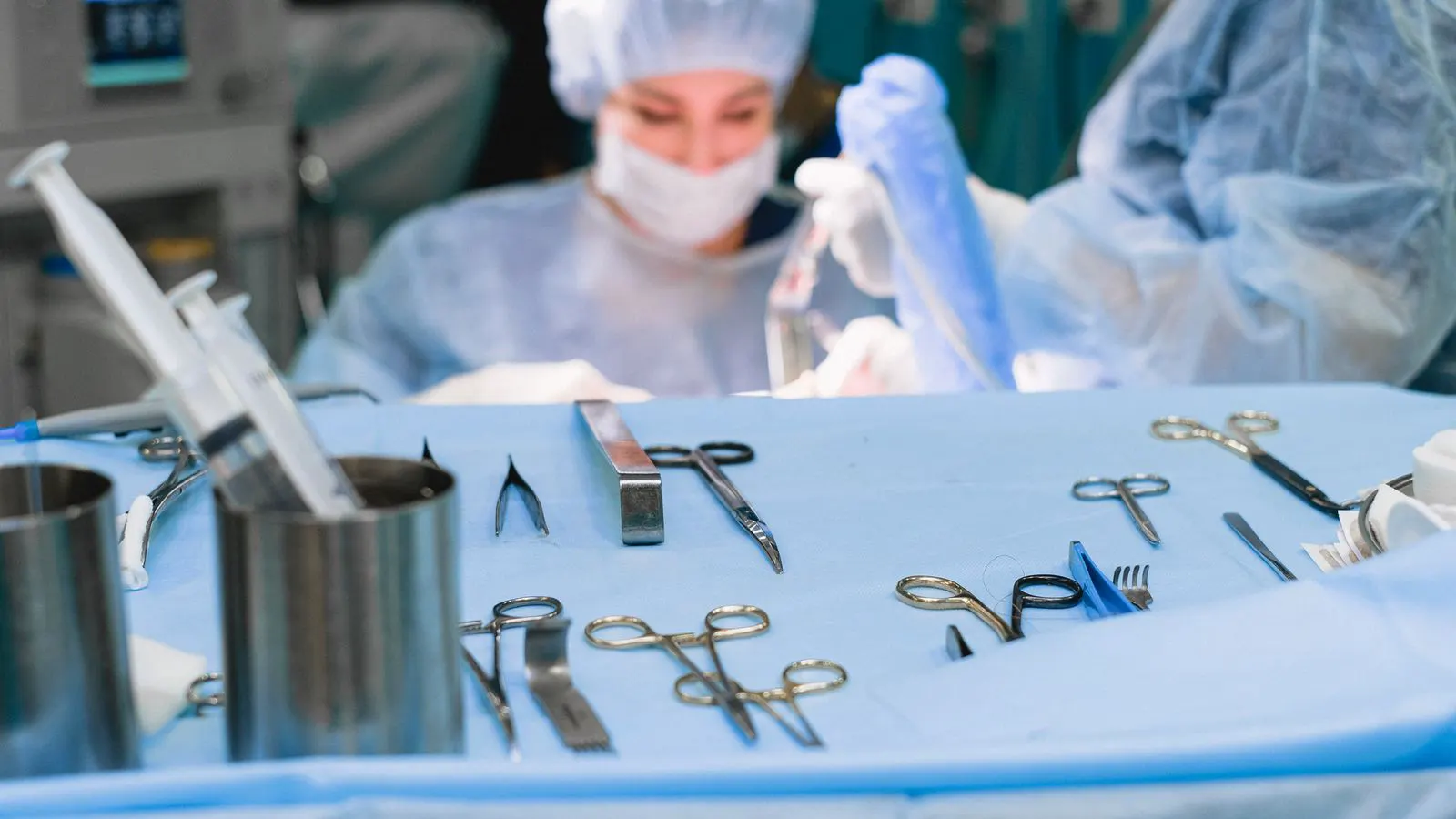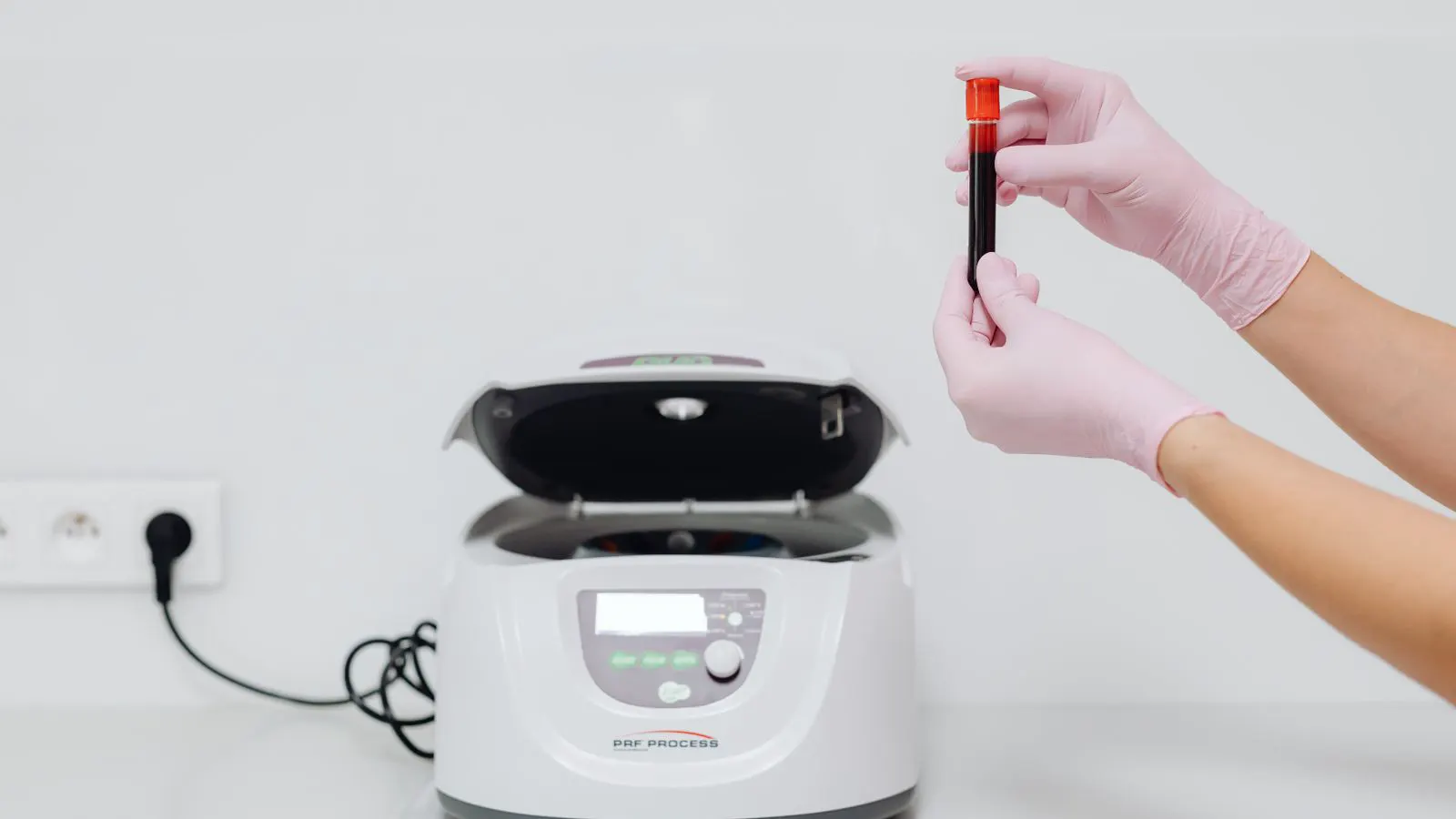
Checklist: Verifying Biocompatibility for Wound Care Devices
This guide provides a numbered audit checklist to verify biocompatibility for wound care devices. It covers material selection, skin irritation testing, and safety
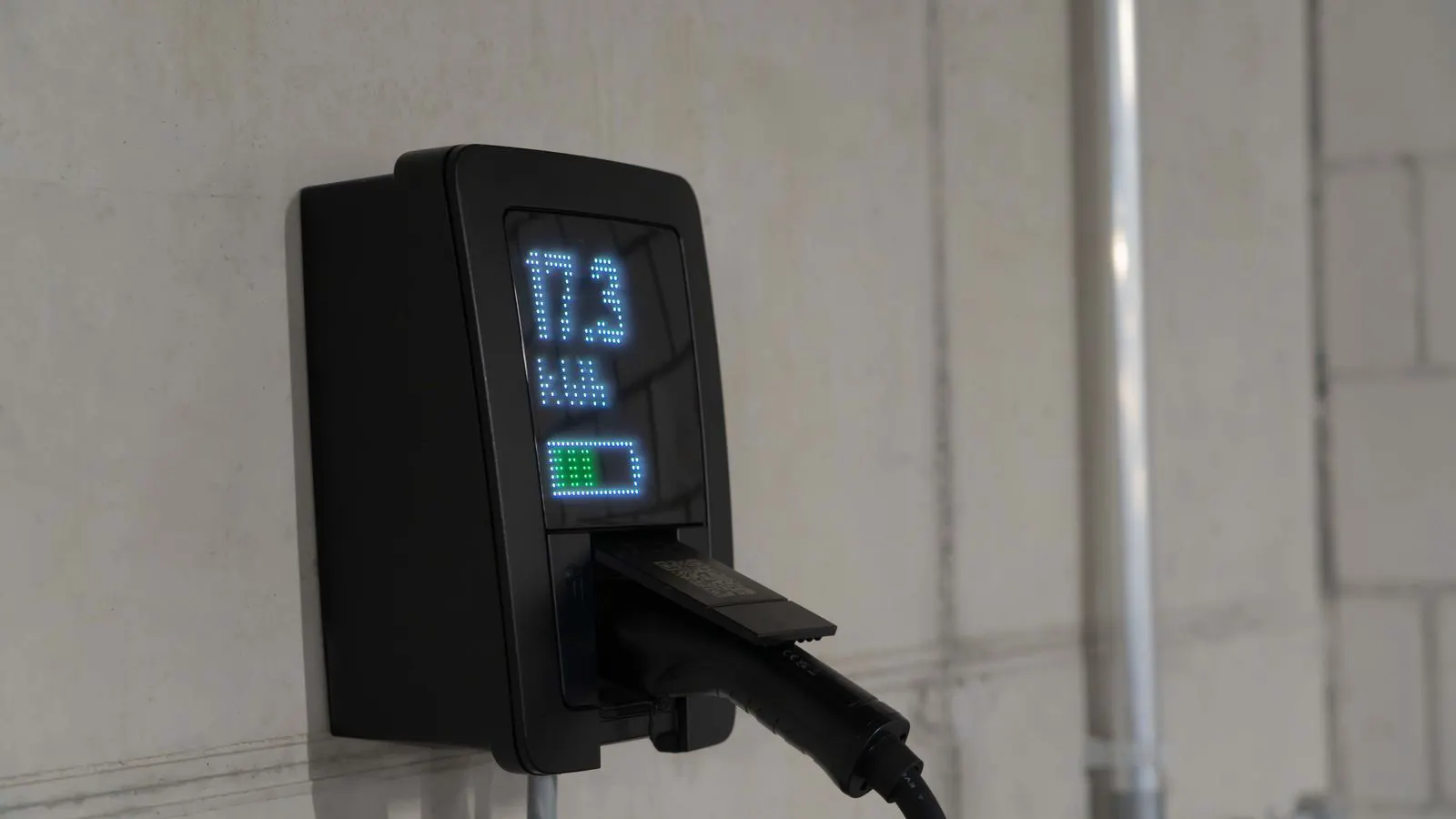

Review instruments and treatment systems to find compliant, effective options for surgical and therapeutic use.

This guide provides a numbered audit checklist to verify biocompatibility for wound care devices. It covers material selection, skin irritation testing, and safety
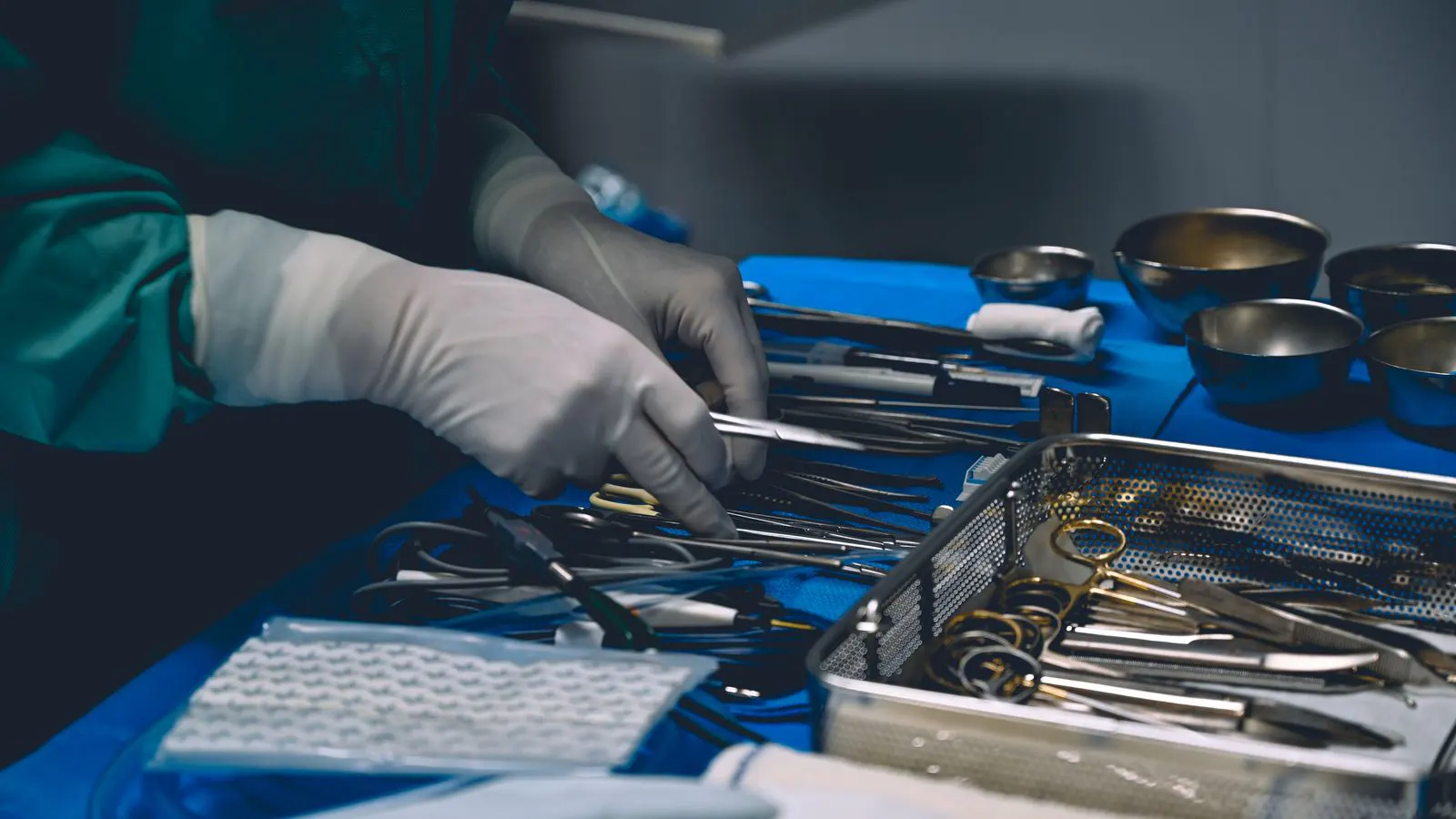
Inconsistent power in portable surgical devices usually comes from battery degradation, poor connections, or supply faults. This guide lists common symptoms, likely

Miniaturization is reshaping surgical and therapeutic device design. This guide outlines five major shifts, including micro-robotics, smart sensors, and advanced

A pre-purchase audit of surgical device suppliers requires checking regulatory compliance, material traceability, and quality management systems. This guide provides a

The price of specialized surgical instruments depends on material specs, sterilization cycles, and regulatory documentation. Lead times vary by component complexity and

Class II surgical devices require moderate oversight due to moderate risk. Understanding this classification helps buyers verify compliance, validate performance, and

To validate treatment systems for surgical use, define acceptance criteria based on intended use. Run functional, electrical, and environmental tests. Verify

Sterile barrier failures in medical instruments packaging usually stem from punctures, moisture, or seal defects. This guide lists common symptoms, likely causes, and

Selecting instruments for the operating room requires verifying regulatory compliance, material compatibility with sterilization cycles, and supplier quality systems.

Laparoscopic tools use smaller ports for less invasive work, while open tools offer direct visualization and tactile feedback. Procurement depends on procedure type