Buying Guide: Selecting Compliant Medical Instruments for the Operating Room
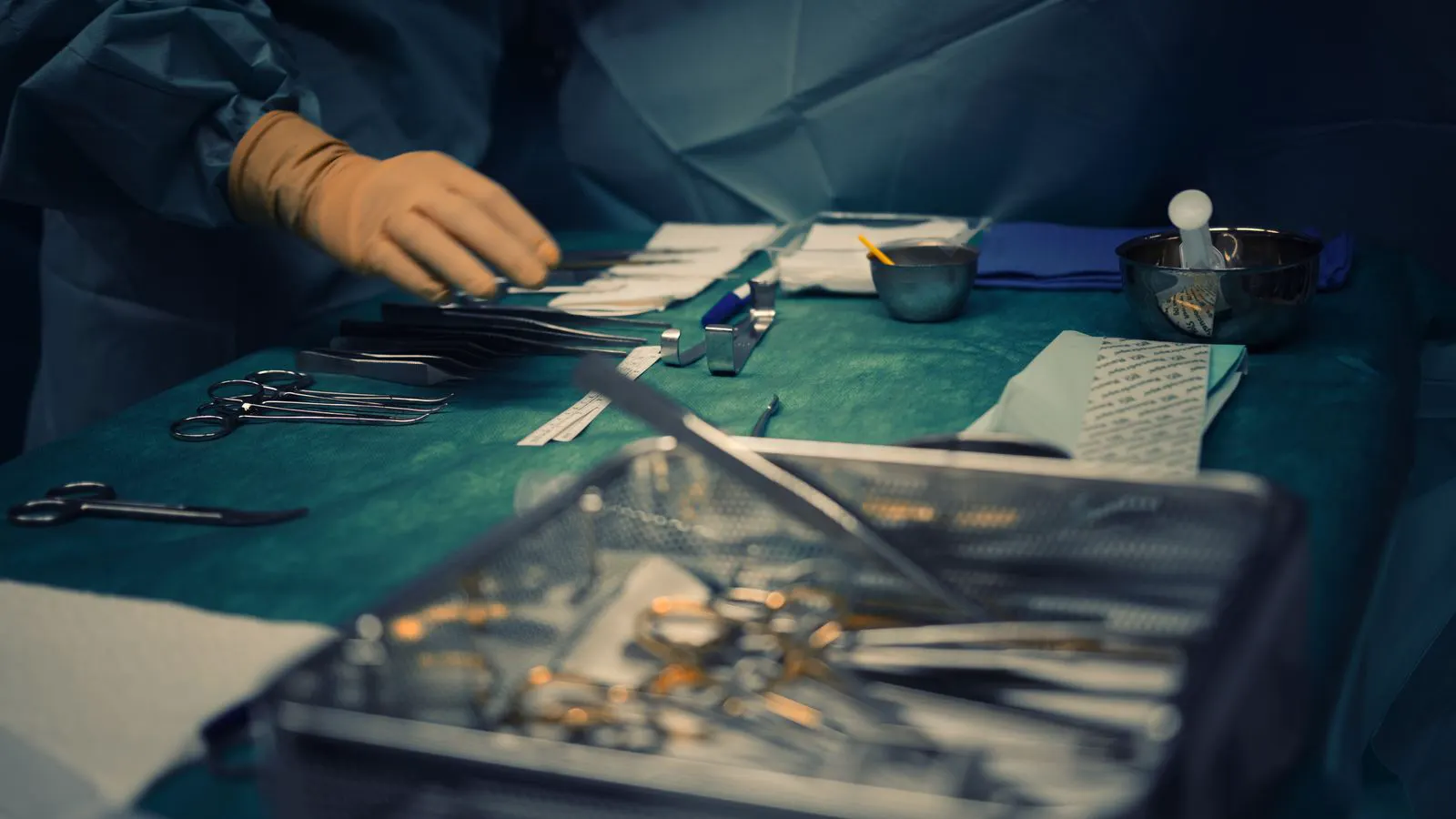
Selecting instruments for the operating room requires verifying regulatory compliance, material compatibility with sterilization cycles, and supplier quality systems. This guide outlines the criteria buyers need to check before approval.
- Verify regulatory registration and unique device identifiers before placing an order.
- Confirm instrument materials and construction match your facility sterilization cycle.
- Review supplier quality documentation and traceability records for each lot.
- Check warranty terms and return procedures for instruments that fail in use.
Defining the Scope of Clinical Use
The first step in purchasing is defining exactly what the instrument will do inside the body. A forceps used for hemostasis in a general surgery case operates under different stress conditions than a micro-iris forceps used in ophthalmology. Each tool carries a specific intended use statement that must align with your clinical department. If the intended use in the supplier catalog differs from your actual procedure, the device may not be approved for that application.
This distinction matters because regulatory approval is granted for specific uses. A device registered for laparoscopic use is not automatically approved for open surgery, and vice versa. The supplier must provide documentation that matches your procedure type. When buying for multiple departments, create a separate evaluation sheet for each use case. This prevents cross-contamination of requirements and ensures every instrument meets the standards of its specific clinical environment.
Consider a scenario where a hospital purchases a set of curved hemostats for general surgery. The surgeon may need to clamp a bleeding vessel in a deep pelvic cavity. The instrument must withstand significant torsion and pressure. If the same instrument is intended for a minor vascular repair in a superficial vein, the force requirements are lower. The catalog description might state “for general surgical hemostasis.” If the actual procedure involves a complex anastomosis requiring finer control, the intended use may be too broad. The supplier’s label might list “surgical hemostasis” without specifying the tissue type or depth. This ambiguity creates a compliance gap.
To avoid this, document the specific anatomical site, tissue type, and expected force level. For example, an instrument for cardiac surgery must handle higher shear forces than one for a dental procedure. The supplier’s intended use statement should reflect this specificity. If it does not, request a clarification. A clear intended use statement protects the buyer from using a device in a way that voids its regulatory approval.
When creating the evaluation sheet, include the procedure name, the anatomical region, and the expected duration of use. For instance, a laparoscopic cholecystectomy involves small incisions and limited access. The instrument must be slender and flexible. A craniotomy involves a large bone window and requires a different class of instrument. The evaluation sheet should note the space constraints and the need for precision. This detail guides the selection of the right instrument and prevents a mismatch between the tool and the task.
Verifying Regulatory Status and Traceability
Regulatory compliance is the baseline for clinical safety. Before evaluating features or price, confirm the device is authorized for sale in your market. This involves checking the regulatory database in your region. The supplier should provide the registration number, the unique device identifier, and the expiration date of that authorization.
Traceability extends beyond the initial registration. Every unit should carry a serial number that links back to the manufacturing batch. This link allows you to track the device through its entire life cycle. If a recall is issued, you need to identify which units are in your inventory and where they are located. Without this link, a recall becomes difficult to execute quickly.
The documentation package should include the Certificate of Conformity, which states the device meets applicable standards. It should also include the instructions for use, which detail cleaning, maintenance, and reprocessing. Keep a copy of these documents in your asset management system. If the supplier cannot provide these documents for a specific lot, do not accept the shipment. The risk of using an untraceable device outweighs the convenience of immediate delivery.
Regulatory databases are maintained by national or regional authorities. In the European Union, the European Medicines Agency and national competent authorities maintain the database. In the United States, the Food and Drug Administration maintains the 510(k) database. In other regions, similar bodies exist. The supplier should provide the specific registration number that can be verified in this database. Do not rely on the supplier’s word. Check the database directly.
The unique device identifier, often called a UDI, is a code assigned to each device. It helps track the device from the manufacturer to the point of use. The UDI is usually printed on the device or its packaging. It includes information about the manufacturer, the device type, and the lot number. This code is essential for post-market surveillance. If a defect is discovered in a specific lot, the UDI allows regulators and hospitals to identify all affected units.
The serial number is unique to each individual unit. It is different from the UDI. The serial number links back to the manufacturing batch. This link is critical for recalls. If a recall is issued for a specific batch, the hospital must identify all units in that batch. The serial number allows this identification. If the serial number is missing or illegible, the unit cannot be tracked. This creates a safety risk. The supplier should ensure that every unit has a clear, legible serial number.
The expiration date of the registration is also important. Some registrations expire after a certain period. The supplier should provide the expiration date. If the registration is nearing expiration, the hospital should plan for replacement. An expired registration means the device is no longer authorized for sale in that market. Continuing to use it may violate local regulations. The hospital should monitor the expiration date and plan for renewal or replacement.
Assessing Material and Construction Quality
The body of the instrument is made of specific alloys, usually stainless steel, that must withstand repeated sterilization and mechanical stress. Ask the supplier for the specific grade of steel used. Different grades offer different levels of corrosion resistance and strength. For instruments that contact saline or blood, corrosion resistance is a primary concern.
Construction details affect durability. Look for instruments with welded joints that are smooth and free of burrs. Burrs can trap bacteria and damage surrounding tissue. The surface finish should be polished to reduce friction during sterilization. Check the handle design as well. A handle that is too small can cause hand fatigue during long procedures. A handle that is too large can be difficult to grip with gloves on.
Consider the mechanism of the instrument. Scissors, hemostats, and forceps have moving parts that require precise alignment. The pivot point should move smoothly without excessive play. If there is play, the instrument may slip during critical moments. Test the spring tension. It should return the instrument to its closed position without forcing the user to open it. Overly strong springs can cause hand strain, while weak springs can fail to hold a clamp securely.
Stainless steel is the most common material for surgical instruments. It is durable, corrosion-resistant, and easy to sterilize. However, not all stainless steel is the same. Different grades have different compositions. For example, 316L stainless steel is commonly used in surgical instruments. It contains molybdenum, which improves corrosion resistance. 304 stainless steel is less expensive but has lower corrosion resistance. For instruments used in saline or blood, 316L is preferred. Ask the supplier for the specific grade. Do not accept “stainless steel” as a general answer.
The surface finish is critical. A polished surface reduces friction and makes it easier to clean. It also reduces the risk of bacterial adhesion. A rough surface can trap debris and bacteria. The supplier should provide information on the surface finish. Look for a smooth, uniform finish. Avoid instruments with visible scratches or pits. These defects can harbor bacteria and compromise sterilization.
The handle design affects user comfort and control. A handle that is too small can cause hand fatigue. A handle that is too large can be difficult to grip with gloves on. The handle should be proportionate to the instrument. It should allow for a secure grip without excessive pressure. Check the handle for smooth edges. Sharp edges can cut the user’s glove or hand. The handle should be comfortable to hold for long periods. Test the instrument with gloves on. If it feels uncomfortable, do not purchase it.
The pivot point is a critical part of the instrument. It should move smoothly without excessive play. If there is play, the instrument may slip during critical moments. Test the pivot by opening and closing the instrument. It should move smoothly and return to its closed position. If it sticks or has excessive play, flag it. A stuck instrument is a safety risk. The pivot should be lubricated. The supplier should provide information on the lubricant used. It should be compatible with the sterilization method.
Matching Sterilization and Reprocessing Requirements
Not all instruments are designed for the same sterilization methods. Autoclaves use steam and heat, while cold sterilization uses chemical agents. Some instruments are only compatible with low-temperature sterilization. Buying an instrument for a facility that uses only chemical sterilizers when the device is rated for steam sterilization creates a compliance issue.
The material of the instrument must withstand the chosen method. Stainless steel handles heat well, but the handles made of plastic or polymer can degrade under high temperatures. If your facility uses a mix of sterilization methods, you need instruments that are rated for both, or you must segregate the inventory.
The reprocessing instructions are critical. They tell your staff how to disassemble the instrument, clean it, and inspect it for damage. Some instruments have removable parts that must be taken apart for proper cleaning. If the instructions are vague or missing, the cleaning process becomes guesswork. This increases the risk of residual biological material. Ask the supplier for a video or a detailed diagram of the disassembly process for complex instruments.
Steam sterilization, or autoclaving, is the most common method for surgical instruments. It uses high-pressure steam at high temperatures to kill all forms of life. The instrument must be able to withstand the heat and pressure. Stainless steel is suitable for steam sterilization. However, some instruments have rubber seals or polymer parts that can degrade under steam. Check the supplier’s documentation for the sterilization method. Do not assume that an instrument is suitable for steam sterilization just because it is made of metal.
Chemical sterilization, or cold sterilization, uses liquid or vapor chemical agents. It is used for heat-sensitive instruments. The instrument must be resistant to the chemical agent. Some chemicals can corrode metals or degrade plastics. Check the supplier’s documentation for the chemical agent. Do not assume that an instrument is suitable for chemical sterilization just because it is made of metal.
The reprocessing instructions are a critical part of the documentation. They tell your staff how to disassemble the instrument, clean it, and inspect it for damage. Some instruments have removable parts that must be taken apart for proper cleaning. For example, a scissor with a removable blade must be disassembled for cleaning. If the instructions are vague or missing, the cleaning process becomes guesswork. This increases the risk of residual biological material. Ask the supplier for a video or a detailed diagram of the disassembly process for complex instruments. A video is more useful than a text description. It shows the exact steps. A diagram is also useful. It shows the parts and their relationships.
Evaluating the Supplier Quality System
The quality of the instrument depends on the manufacturer’s control over its production process. A reputable supplier maintains a Quality Management System that covers everything from raw material sourcing to final inspection. They should be able to provide a summary of their quality controls. This includes the testing methods used for each batch.
For example, a supplier might perform tensile tests on the alloy, hardness tests on the cutting edges, and torque tests on the handles. They should also perform bioburden testing to ensure the device is clean before packaging. Ask for the most recent audit report or a certificate of quality for the specific lot you are ordering.
The supplier’s after-sales support is part of this system. What happens if an instrument fails in the operating room? A good supplier has a clear return process. They should accept returns for defective items within a defined period. They should also offer repair services. Knowing that a broken instrument can be fixed rather than replaced saves money and maintains inventory levels.
The Quality Management System is a set of processes and controls that ensure the instrument meets standards. It covers raw material sourcing, manufacturing, inspection, and packaging. The supplier should be able to provide a summary of their quality controls. This includes the testing methods used for each batch. Ask for a summary of the quality controls. Do not accept a general statement that the supplier follows standards. Ask for specific details.
The testing methods used for each batch are important. Tensile tests measure the strength of the alloy. They ensure that the instrument can withstand mechanical stress. Hardness tests measure the hardness of the cutting edges. They ensure that the edge stays sharp. Torque tests measure the force required to turn the handle. They ensure that the handle is not too tight or too loose. Bioburden testing measures the number of microorganisms on the device before packaging. It ensures that the device is clean.
The supplier should provide a certificate of quality for the specific lot you are ordering. This certificate states that the lot met the required standards. It should include the test results. Ask for the most recent audit report. An audit report is a document that states the supplier was audited and met the required standards. It should include the date of the audit and the findings. If the supplier cannot provide these documents, do not purchase the instrument.
The supplier’s after-sales support is part of the quality system. What happens if an instrument fails in the operating room? A good supplier has a clear return process. They should accept returns for defective items within a defined period. They should also offer repair services. Knowing that a broken instrument can be fixed rather than replaced saves money and maintains inventory levels. Ask about the return process. Ask about the repair service. Get these terms in writing.
Practical Inspection Checklist for Incoming Goods
When the shipment arrives, do not sign the delivery note until you have inspected the goods. Check the packaging for damage. A dented box may indicate a dropped instrument. Open the box and verify that the serial numbers on the instruments match the packing list.
Perform a visual inspection. Look for surface defects like pits, scratches, or discoloration. Check the moving parts. Open and close the scissors or forceps. They should move smoothly. If a part sticks, flag it immediately. A stuck instrument is a safety risk.
Check the accessories. Many instruments come with protective sleeves or spare blades. Verify that these are present and undamaged. If the item is missing, contact the supplier before the instrument is put into storage. An instrument without its protective sleeve can get damaged during storage.
The packaging is the first line of defense. It protects the instrument during transit. Check the packaging for damage. A dented box may indicate a dropped instrument. A torn box may indicate a puncture. A crushed box may indicate a crush. If the packaging is damaged, inspect the instrument carefully. Look for dents, scratches, or deformation.
The packing list is a document that lists the items in the shipment. It should match the instruments. Open the box and verify that the serial numbers on the instruments match the packing list. If a serial number is missing or incorrect, flag it. Do not accept the shipment. The serial number is critical for traceability.
The visual inspection is a key part of the incoming goods process. Look for surface defects like pits, scratches, or discoloration. Pits are small indentations. They can harbor bacteria. Scratches are surface marks. They can compromise the surface finish. Discoloration is a change in color. It can indicate corrosion or heat damage. If you see any of these defects, flag the instrument.
The moving parts are a critical part of the inspection. Open and close the scissors or forceps. They should move smoothly. If a part sticks, flag it immediately. A stuck instrument is a safety risk. The pivot should move smoothly. The spring should return the instrument to its closed position. Test the mechanism multiple times. If it sticks or has excessive play, do not use it.
The accessories are important. Many instruments come with protective sleeves or spare blades. Verify that these are present and undamaged. A protective sleeve protects the instrument during storage. It prevents damage from other instruments. A spare blade is a replacement part. It extends the life of the instrument. If an accessory is missing, contact the supplier. Do not put the instrument into storage without its accessories.
Decision Checklist
Before approving a purchase, confirm the following points:
- The intended use matches your specific clinical procedure.
- The regulatory registration is valid and active in your market.
- The serial number and batch traceability are documented.
- The material and construction are compatible with your sterilization method.
- The supplier provides a Certificate of Conformity and Instructions for Use.
- The warranty terms and return policy are acceptable.
- The incoming goods inspection passed without defects.
If any of these points are not met, hold the order. Contact the supplier to resolve the issue. A delayed delivery is better than a non-compliant instrument in your operating room.
Frequently asked questions
What is the difference between a surgical device and a treatment system?
A surgical device is usually a single instrument used for a specific procedure, like a scalpel. A treatment system is a broader setup that may include multiple components, like a laser unit with handpieces and monitors.
Do I need to check the sterilization rating for every instrument?
Yes. Some instruments are only suitable for cold sterilization. If you buy an instrument that requires steam sterilization for a facility that uses chemical sterilizers, you cannot use it safely.
What should I do if the serial number is missing?
Do not accept the item. A missing serial number breaks the traceability chain. You cannot track the instrument for recalls or maintenance. Return the item to the supplier.
How long should I keep the purchase documentation?
Keep the documentation for the entire service life of the instrument. This usually extends beyond the manufacturer's warranty period. Regulatory audits may require these records years after the purchase.
Can I buy instruments from multiple suppliers to save money?
Yes, but it complicates inventory management. You must ensure every supplier meets the same quality standards. Having too many suppliers can make reprocessing instructions inconsistent.