Comparison: Fixed vs Subscription Pricing for Medical Devices
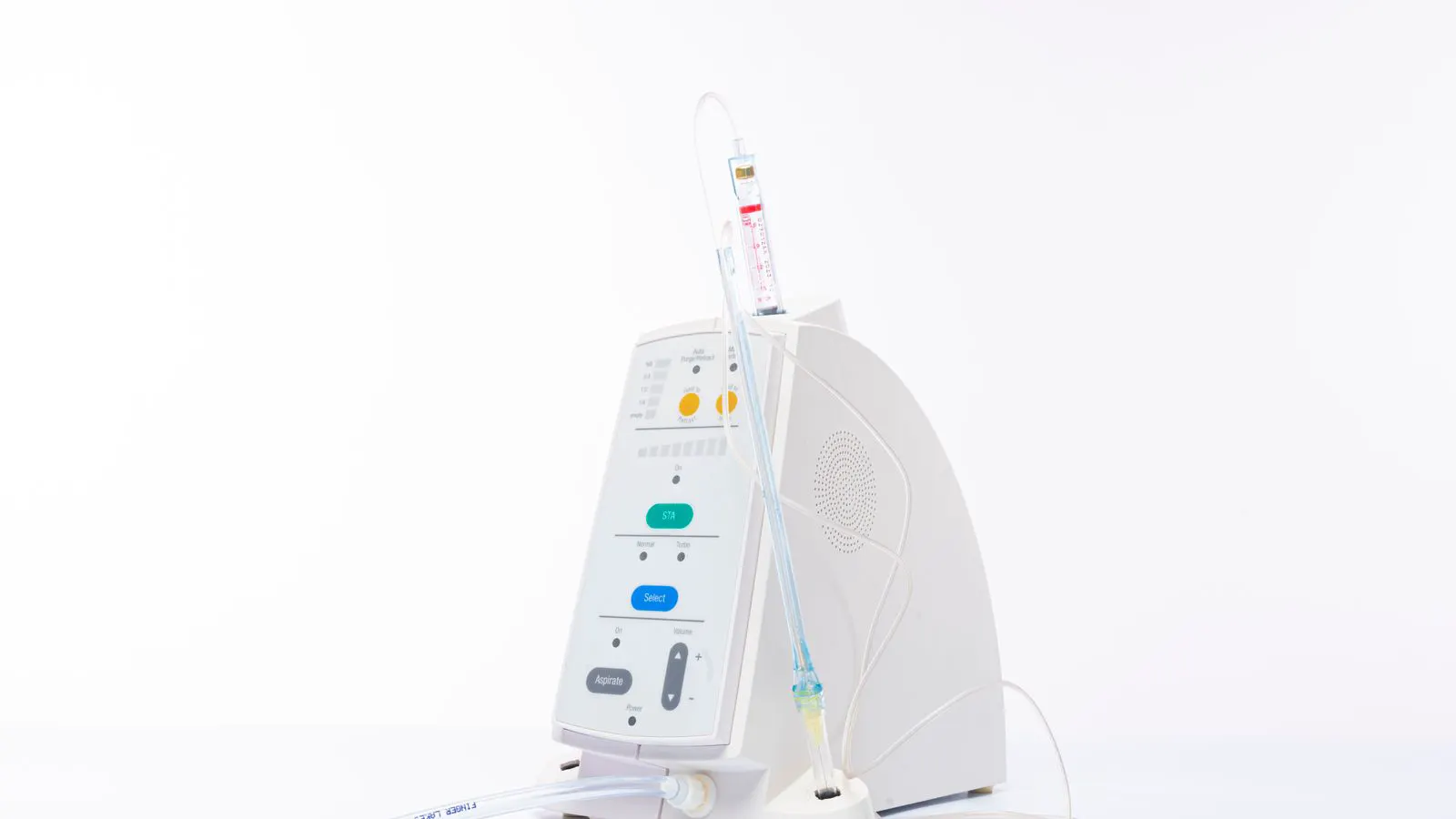
Medical device pricing models split mainly into fixed purchases and subscription services. Fixed models suit high-utilization assets with stable budgets. Subscriptions lower upfront costs but increase recurring spend. Choose based on utilization, budget cycles, and maintenance needs.
- Fixed pricing works best when devices see heavy, predictable daily use.
- Subscription models shift risk to the vendor and reduce upfront capital outlay.
- Hybrid structures can balance cost predictability with service flexibility.
- Total cost of ownership must include installation, maintenance, and downtime.
- Align the pricing structure with your facility budget cycle and utilization data.
Why pricing structure matters more than sticker price
A device that costs less to buy can cost more to run. The monthly fee on a subscription contract may look manageable next to a large capital purchase, yet the cumulative expense over five years can exceed the initial capital outlay. The reverse holds true as well. A high upfront purchase may save money if the asset runs at high utilization with minimal service calls.
Buyers need to look beyond the invoice. They need to compare how the pricing model fits their cash flow, maintenance contracts, and long-term planning horizon. This guide compares the main medical device pricing models to help you decide which structure offers better long-term value.
Fixed vs subscription: what each model includes
Fixed pricing means the facility purchases the device outright. The vendor may offer a separate service contract. The buyer pays for installation, the hardware, and any future repairs or parts. This is a capital expenditure. The asset sits on the balance sheet as an owned property.
Subscription pricing bundles hardware and services into a single recurring fee. The vendor retains ownership. The fee covers the device, installation, preventive maintenance, parts, and sometimes consumables. This is an operating expenditure. The monthly or annual charge continues as long as the contract is active.
The difference changes who bears the risk of breakdown. With a fixed purchase, the facility pays for downtime if the service contract expires or if a part is not covered. With a subscription, the vendor handles repairs and replacement parts under the same fee.
Cost comparison at a glance
| Option | Best for | Limitations |
|---|---|---|
| Fixed purchase with service contract | High-utilization assets, stable budgets, long ownership horizon | Higher upfront capital, separate negotiation for service, risk of parts cost spikes |
| Full subscription | Low-to-moderate utilization, budget constraints, need for guaranteed uptime | Higher total cost over time, vendor lock-in, limited customization |
| Hybrid lease with service | Mid-level utilization, phased budgeting, desire to avoid large capex | Complex contract terms, potential early termination fees, less flexibility in upgrades |
| Per-use or pay-per-scan model | Intermittent use, multi-site facilities, research or pilot programs | Costs scale unpredictably, no ownership, complex billing for high volume |
| Refurbished fixed purchase | Facilities with long service life, budget-sensitive departments | Shorter warranty, variable residual value, potential stigma in clinical settings |
The table captures the main trade-offs. The fixed purchase gives you control but demands capital. The subscription gives you predictability but reduces flexibility.
When fixed pricing wins
Fixed pricing suits assets that run every day. Imaging equipment, sterilizers, and operating room tables often justify the capital outlay because the utilization rate is high. If the device generates enough clinical volume to offset the initial purchase, the fixed model reduces the per-use cost.
Another advantage is ownership. You control upgrades. When a component needs replacement, you can choose a compatible part or a newer technology without waiting for vendor approval. This matters when your clinical team has specific workflow preferences.
Service contracts are the weak point. If you buy a fixed device, you must negotiate the maintenance terms carefully. Parts availability, response times, and labor rates all affect your long-term cost. A device that fails outside the service window can create unexpected expenses.
When subscription pricing wins
Subscription models work well when utilization is low or unpredictable. A hospital wing that opens gradually, a clinic testing a new diagnostic workflow, or a multi-site network with variable demand can benefit from lower upfront costs. The recurring fee spreads the expense across months, avoiding a large capital hit in one quarter.
The bundled service is the core benefit. If the device breaks, the vendor replaces it. There is no debate about whether the part is under warranty. The fee covers labor and materials. For a busy clinical team, this reduces administrative overhead and downtime.
The trade-off is control. You do not own the hardware. When the contract ends, the device leaves the facility. Upgrades depend on the vendor’s roadmap. If your workflow changes, you may have to renegotiate or switch to a different vendor.
Hidden costs that change the decision
The sticker price is only part of the story. Installation requirements vary. Some devices need dedicated power circuits, network upgrades, or room modifications. These costs are often paid by the buyer in a fixed purchase. A subscription may include installation, but the scope can be limited.
Consumables can skew the total cost. A fixed purchase may pair cheap hardware with expensive consumables. A subscription may include consumables in the fee, but the quantity may be capped. If your clinical team uses more than the included amount, the overage charges can erode the savings.
Downtime is a factor in both models. A fixed device with a poor service contract can sit idle for days. A subscription device should have a guaranteed response time, but that guarantee only matters if the vendor has local parts stock. Check the vendor’s service network before signing.
A numbered approach to evaluating your own situation
- Estimate annual utilization. Count the expected number of uses, clinical hours, or patient encounters for the device.
- Calculate the fixed purchase total. Add the hardware cost, installation, service contract, and consumables for a five-year period.
- Calculate the subscription total. Multiply the monthly fee by 60 and add any overage charges, installation fees, or termination costs.
- Compare the per-use cost. Divide each total by the expected number of uses. The lower number indicates better value for that specific asset.
- Assess cash flow. Determine whether your budget cycle can absorb the upfront cost or requires a recurring expense structure.
- Review exit terms. Check what happens at contract end. Can you buy the device, return it, or upgrade to a new subscription?
This process removes guesswork. It forces you to compare like with like. A device that costs 50,000 dollars to buy may cost 60,000 dollars over five years in a subscription. The difference is small, but the cash flow impact is significant.
Negotiating terms that improve value
Whether you choose a fixed purchase or a subscription, the contract details matter. In a fixed purchase, negotiate the service contract separately. You can often find a cheaper service provider than the original vendor. This can reduce the long-term cost by a meaningful margin.
In a subscription, negotiate the exit clause. You want the option to buy the device at a defined fair market value at the end of the term. This gives you a path to ownership without a large penalty. You should also negotiate the consumable allowance. If you know your usage patterns, build them into the contract to avoid overage charges.
For hybrid or lease models, check the escalation clause. Some contracts increase the monthly fee by a fixed percentage each year. This can make the total cost higher than expected. A flat fee or an index tied to a standard cost measure is more predictable.
How to decide for your facility
The right medical device pricing model depends on three factors: utilization, budget cycle, and risk tolerance.
High utilization favors fixed pricing. The per-use cost drops as you run the device more. You also gain ownership and control over upgrades.
Low utilization favors subscription pricing. The recurring fee avoids tying up capital in an asset that sits idle much of the time. The bundled service reduces downtime risk.
Your budget cycle matters. If your financial year ends in a way that makes large capital purchases difficult, a subscription or lease may fit better. If you have a capital reserve for equipment purchases, a fixed model may be more efficient.
Risk tolerance is the final factor. If your clinical team cannot tolerate downtime, a subscription with a strong service guarantee may be worth the higher total cost. If your team can manage downtime and has in-house maintenance skills, a fixed purchase may save money.
The decision is not about which model is better. It is about which model fits your specific asset, your budget, and your operational needs. Run the numbers for each device you plan to buy. Use the same method for every asset. The comparison will show which structure gives you the best long-term value for your budget.
Frequently asked questions
Can a subscription model be cheaper than a fixed purchase?
Yes, if the utilization is low and the service fee is low relative to the capital cost. The total cost over the contract term may be lower than the upfront purchase plus service.
What happens to the device when a subscription contract ends?
The facility usually returns the device to the vendor. Some contracts include an option to purchase the device at a defined value. Check the exit terms before signing.
Is a fixed purchase always better for high-use equipment?
Generally, yes. The per-use cost is lower, and you retain ownership. However, the service contract must be negotiated to avoid high parts costs.
Can I switch from a subscription to a fixed purchase later?
It depends on the contract terms. Some agreements allow an upgrade path. Others require you to return the device and buy a new one. Review the exit clause first.
How do I compare a per-use model with a fixed purchase?
Calculate the fixed purchase total over a specific period and divide by the expected number of uses. Compare that to the per-use fee. The lower per-use cost indicates better value.