How to Evaluate Medical Device Manufacturers
Medical device manufacturer evaluation requires a structured review of quality systems, regulatory history, production capacity, and financial stability. This guide outlines the specific checks buyers must perform before placing orders with a new device supplier.
- Verify the manufacturer holds current ISO 13485 certification and valid registration in target markets.
- Audit the actual production floor, not just the office, to confirm process controls are active.
- Check regulatory history for recalls, field action notices, and past non-conformance reports.
- Require clear documentation of raw material sourcing and sterilization or calibration records.
- Test the supplier's response to non-conformance findings before signing a long-term agreement.
Prerequisites to Starting the Evaluation
Before you contact a factory, prepare the technical files that define what a pass looks like. You need the final design specification, the intended use statement, and a list of applicable standards. Without these, any audit becomes subjective, and the supplier cannot prove they understand the requirements.
You also need the target market regulatory status. A device sold in one region may require different labeling, software validation, or biocompatibility data than a device sold in another. Keep the target market list short during the initial evaluation. Adding markets later changes the scope of the audit and often delays the timeline.
Finally, identify the internal team. A manufacturer evaluation is not just a procurement task. It requires input from quality, regulatory, and engineering. If only one person handles the review, critical gaps in design or process control will slip through.
Step 1: Confirm the Quality Management System is Active
Request the current ISO 13485 certificate and the scope of certification. The scope must match the actual product types the factory manufactures. A certificate that covers general medical devices but excludes the specific category you need is not sufficient.
Check the certification body. Reputable certification bodies are audited by the International Accreditation Forum. If the body is unknown, ask for its accreditation status. You are not looking for the cheapest certificate. You are looking for a system that survives external review.
This step matters because a paper certificate proves nothing if the system is not running. A factory can pass an audit in January and fail in June. The active system is what protects your device from recurring defects.
Step 2: Review the Regulatory and Compliance History
Pull the regulatory history from public databases in your target markets. Look for recalls, field safety corrective actions, and enforcement actions. Even small notices can reveal a pattern. A single minor labeling issue is different from a repeated failure to report adverse events.
Ask the manufacturer for their internal complaint log summary. You do not need raw patient data, but you need to see how they track complaints, classify severity, and close out corrective actions. If the log is empty, ask why. If the log is full of closed complaints with no root cause analysis, that is a red flag.
This step protects you from reputational risk. If your device is linked to a supplier recall, your brand bears the cost of replacement, customer trust loss, and potential liability.
Step 3: Audit the Production Floor
Visit the factory or use a third-party auditor. Do not accept a video tour as the primary verification. A video tour shows what the factory wants you to see.
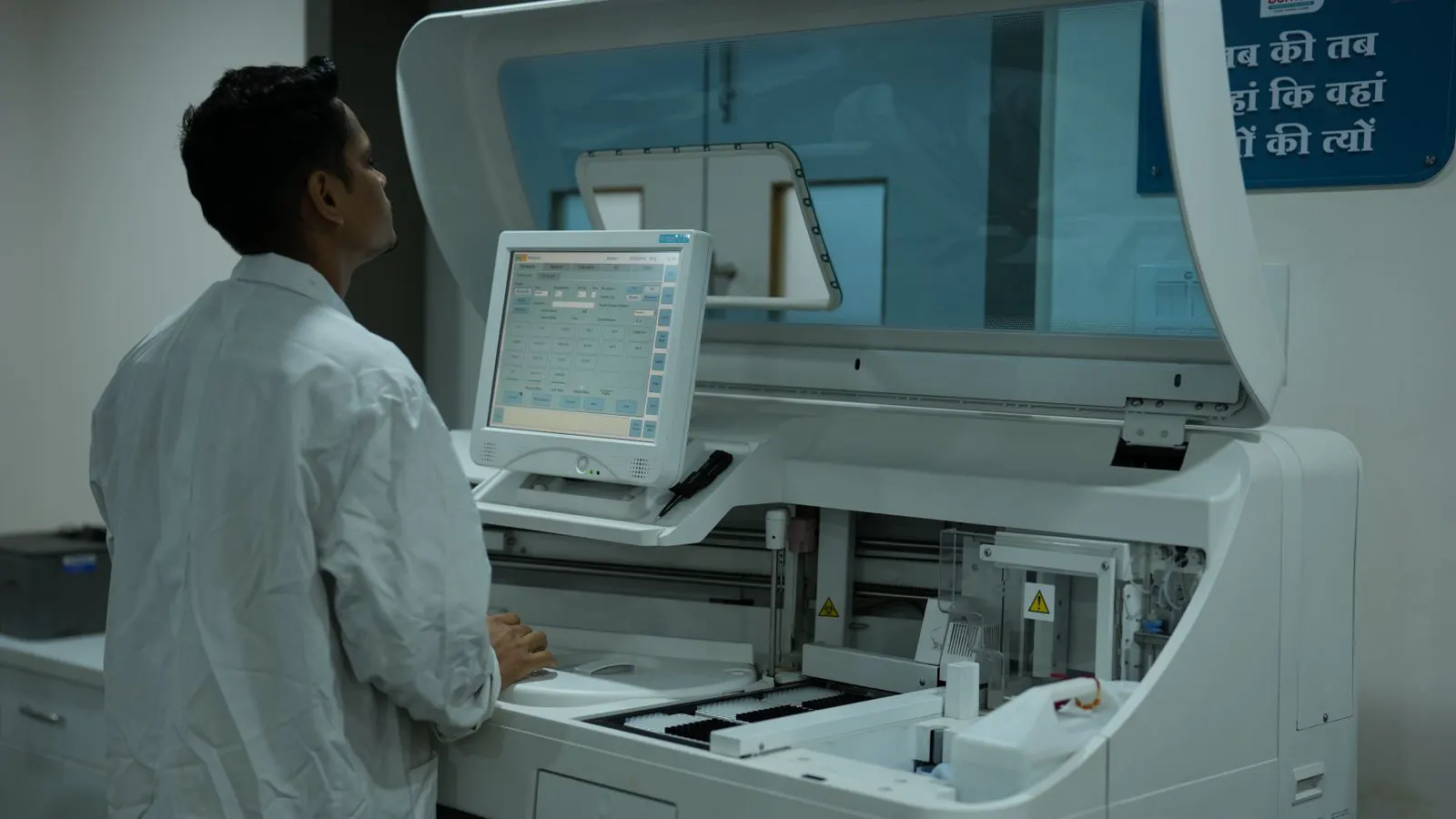
Walk the line. Watch the actual operators. Check the work instructions on the benches. Are they current? Do they match the procedure you reviewed on paper? Check the calibration status of the gauges. If a torque wrench is out of calibration, the whole process is compromised.
Look at the material storage. Raw materials should be segregated, labeled, and protected from contamination. If you see unmarked bags of components, the traceability system is weak. Traceability is the backbone of a recall. If you cannot trace a batch to its raw material lot, you cannot isolate a defect.
This step reveals the gap between policy and practice. Many factories have excellent documents and poor execution. You are buying execution, not documents.
Step 4: Assess Material and Component Sourcing
Request the Bill of Materials for the device. For each critical component, ask where it comes from. Are the materials from a single source or multiple? Single sourcing is efficient but risky. If that supplier fails, your production stops.
Check for critical materials that require certificates of conformance. Metals, polymers, and electronic components often need test reports that prove they meet the specified grade. If the manufacturer cannot provide these, they are not controlling their inputs.
This step protects you from material failure. A device that passes functional testing but uses a polymer that degrades over time will fail in the field. You need to know the material history, not just the current test result.
Step 5: Verify Sterilization or Calibration Processes
If your device is sterile, review the sterilization process. Is it done in-house or by a third-party contract sterilizer? If contract, request the certificate of sterility for a recent production run. The certificate must match the lot number of the device you received.
If your device is non-sterile, verify the calibration and test methods. Do they test every unit or use statistical process control? For safety-critical devices, 100 percent test is often required. For less critical devices, statistical sampling may be acceptable, but the method must be validated.
This step ensures that the device leaves the factory in the state you specified. A device that is manufactured correctly but sterilized incorrectly is still a failed device.
Step 6: Check Financial Stability and Capacity
Request the last three years of financial statements. You are not looking for profitability, but for stability. A factory that is barely breaking even is more likely to cut corners to survive a bad quarter.
Assess production capacity. Can they meet your peak volume? If you need 100,000 units and they currently make 50,000, ask how they will scale. Do they have the space, the personnel, and the equipment? If they are at capacity, your order will be delayed when demand spikes.
This step protects your supply chain. A financial shock at the supplier level can stop your production. You need a partner that can survive the market cycle.
Common Mistakes in Manufacturer Evaluation
Buyers often skip the floor audit because it is expensive. They rely on the initial document review. This is a dangerous shortcut. The documents are the promise. The floor is the reality.
Another mistake is accepting the supplier’s self-assessment. If the supplier says they are compliant, ask for the evidence. A self-assessment form is not a verification. It is a statement.
A third mistake is ignoring the personnel. The people running the line matter more than the building. If the operators are new, or if the quality manager is also the purchasing manager, there is no separation of duties. The system will drift.
Step 7: Run a Trial Order and Verify
Place a small trial order. Do not commit to the full volume yet. Receive the trial units and run your own incoming inspection. Check the dimensions, the function, and the labeling. Compare the trial units to the approved sample.
Review the test reports for the trial lot. Do they match the results you saw during the audit? If there are discrepancies, stop. Do not ask for an explanation first. Ask for a corrective action plan.
This step confirms that the supplier can deliver under real conditions. An audit is a snapshot. A trial order is a test of performance. If the trial order passes, you are ready to expand.
Final Verification Step: The Non-Conformance Response
When you find an issue, even a small one, test the supplier’s response. Send a non-conformance report. Ask them to identify the root cause, the corrective action, and the preventive action. Measure the response time.
A good supplier will acknowledge the issue, assign an owner, and deliver a written plan within a defined timeframe. A weak supplier will make excuses, blame the customer, or provide a vague plan.
This step is the final filter. You are not just buying a product. You are buying a partner. The partner who responds well to a problem is the partner who will keep your device safe when the next problem appears.
| Evaluation Area | What to Check | Why It Matters |
|---|---|---|
| Quality System | ISO 13485 scope and active status | Ensures the process is controlled and audited |
| Regulatory | Recalls and enforcement actions | Reveals past failures and risk patterns |
| Production | Work instructions and calibration | Confirms the practice matches the policy |
| Materials | Certificates of conformance | Prevents material degradation or failure |
| Sterilization | Certificates of sterility | Guarantees the device is safe for use |
| Financials | Three years of statements | Indicates stability and capacity to grow |
The evaluation process is not a one-time event. Re-evaluate the supplier annually or when there is a significant change. The supplier’s people, processes, and financials will change. Your evaluation must keep up. A supplier that passed three years ago may not be the same supplier today.
Frequently asked questions
How often should I re-evaluate a qualified supplier?
Re-evaluate at least annually, or immediately after a significant change in ownership, process, or regulatory status. A static qualification file becomes outdated quickly.
Can I use a third-party auditor instead of an internal audit?
Yes, but you must select an accredited auditor and review the audit report in detail. A third-party audit adds objectivity, but you remain responsible for interpreting the findings.
What is the minimum documentation I need before a floor audit?
You need the current quality manual, the process flow chart, the work instructions for critical steps, and the last three years of internal audit reports. Without these, the audit will be superficial.
How do I handle a supplier who refuses to share their complaint log?
Do not proceed. A supplier that will not share their complaint summary is not transparent. You need to see how they handle field issues to ensure your device will be supported.
Is a trial order always necessary before a full production run?
Yes, for any new supplier or new product line. A trial order tests the real-world performance under your specific requirements. It is the lowest-risk way to verify compliance.