Point of Care vs Central Lab Testing Systems Comparison
Point of care systems offer speed and proximity but require rigorous quality control, while central labs provide higher throughput and standardized accuracy. Choose based on patient volume, sample complexity, and budget constraints.
- Point of care testing reduces turnaround time but increases maintenance complexity across multiple sites.
- Central lab testing offers standardized workflows and better cost efficiency for high-volume facilities.
- Hybrid models allow facilities to balance immediate patient care needs with centralized quality control.
- Operational costs depend on sample volume, maintenance requirements, and staffing models.
- Clinical directors must evaluate workflow integration before selecting a diagnostic testing system.
What is the core operational difference between decentralized and centralized workflows?
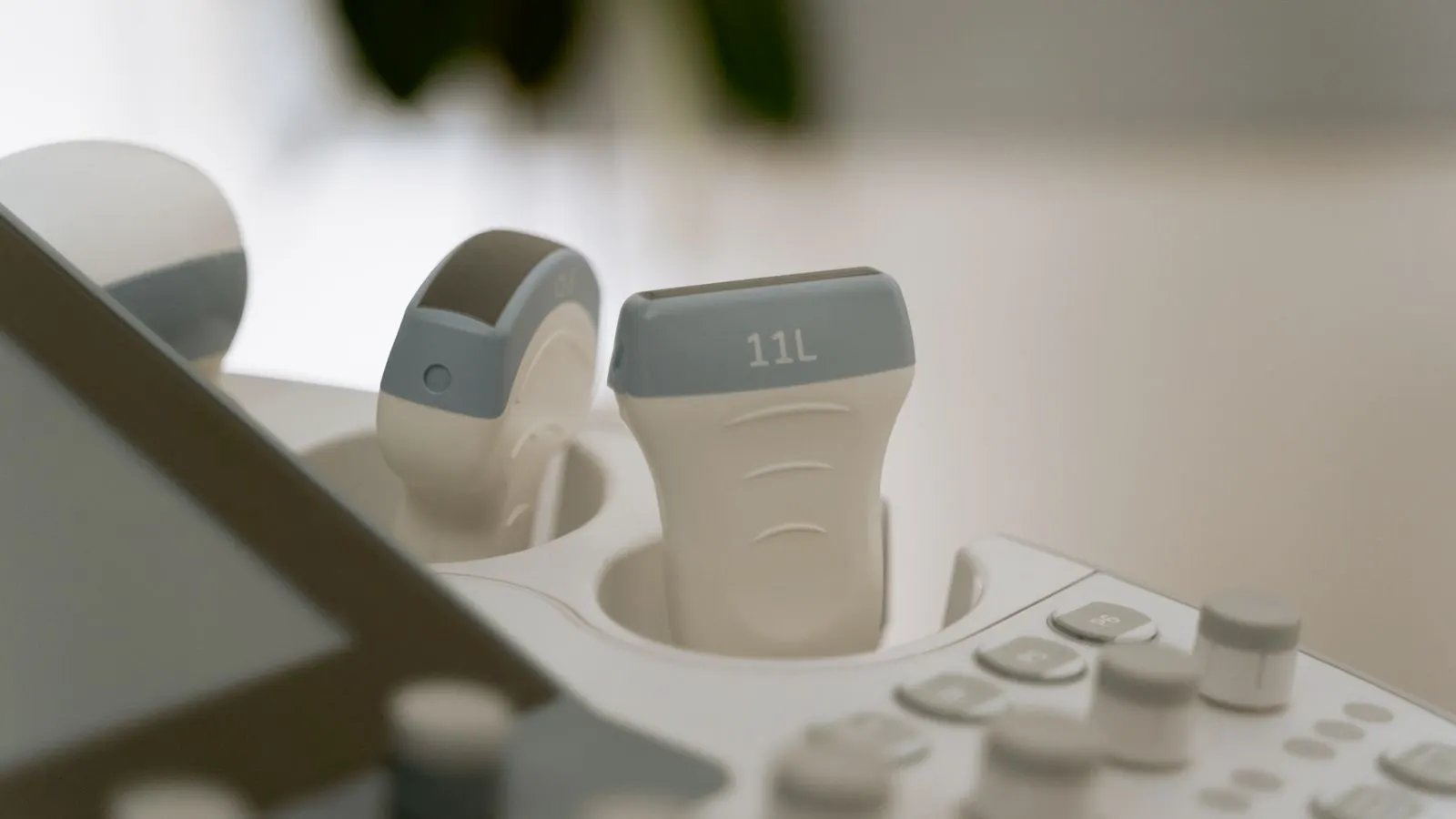
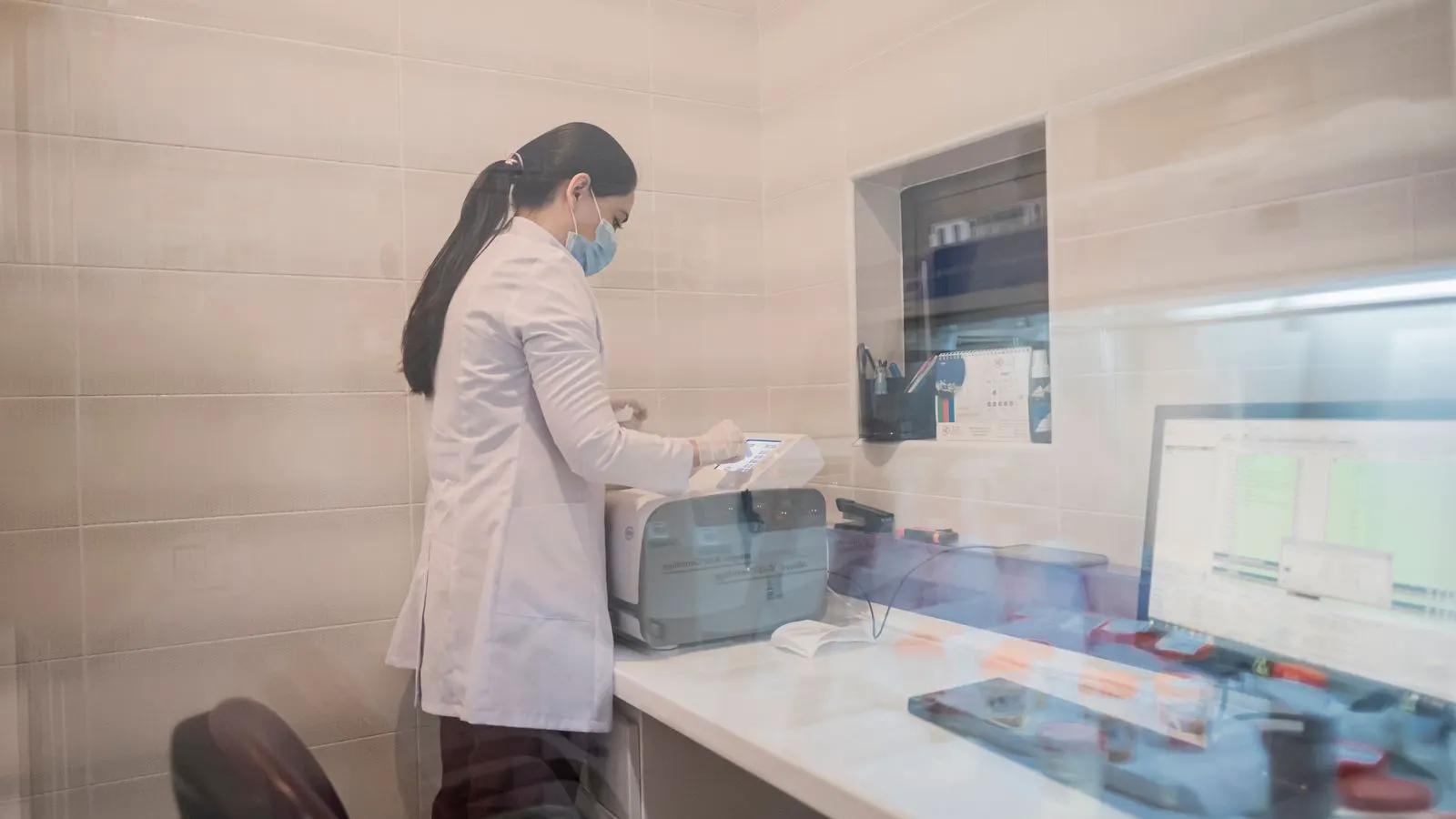
Decentralized testing systems operate at the bedside or in departmental areas. Samples are collected, processed, and analyzed locally without transport to a main laboratory. This approach reduces handling steps and minimizes sample degradation.
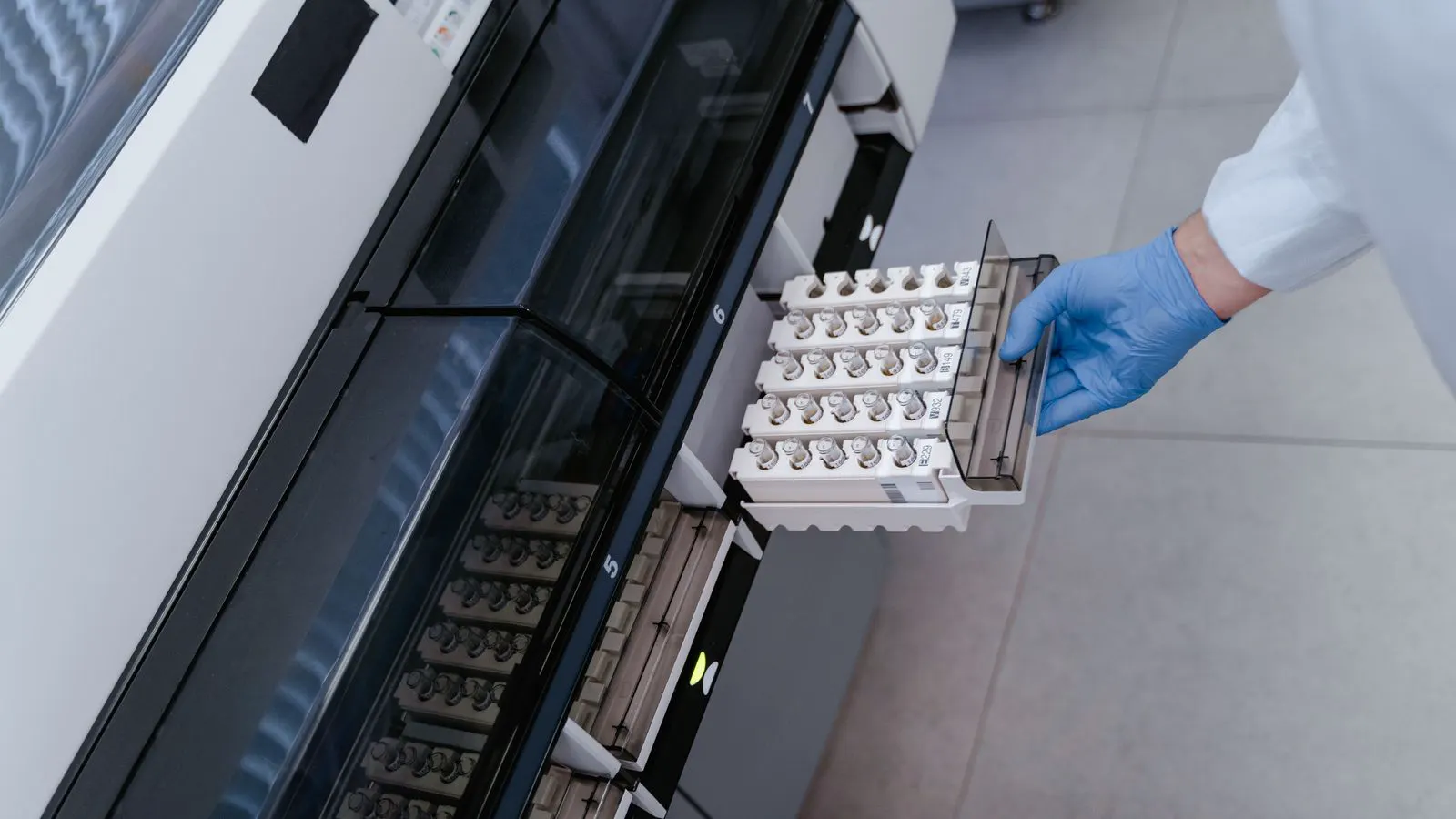
Central lab testing systems consolidate all sample processing in a dedicated facility. Samples move through receiving, logging, batch processing, and reporting via a single controlled pipeline. The separation of collection and analysis creates a clearer accountability chain.
The choice affects how staff allocate time. In decentralized settings, nurses and technicians manage their own equipment. In central labs, specialized analysts handle the full cycle. This shift changes training requirements and staffing ratios across the organization.
How do testing systems impact turnaround times and patient flow?
Point of care testing delivers results within minutes of sample collection. A clinician can review data before leaving the patient’s room. This immediacy supports rapid treatment decisions, particularly in emergency or acute care scenarios.
Central lab systems introduce transport delays. Samples travel from collection points to the lab, wait in queues, and move through processing batches. Turnaround times extend from hours to days, depending on test complexity and lab capacity.
Patient flow adapts differently to each model. In decentralized workflows, clinicians make decisions without waiting for external lab reports. In centralized workflows, treatment decisions often depend on scheduled lab reporting cycles. Facilities with high patient turnover may experience bottlenecks if central lab throughput lags behind demand.
What are the financial differences between decentralized and centralized testing?
Decentralized testing requires purchasing multiple testing systems across different departments. Each unit carries its own cost for consumables, maintenance contracts, and periodic calibration. The upfront investment is higher when spreading equipment across many locations.
Central lab testing concentrates capital expenditure in one facility. A single high-throughput analyzer or automated system serves all departments. Consumables are purchased in bulk, often at lower unit costs. Maintenance contracts cover fewer, larger machines rather than many smaller units.
Operational costs reflect staffing models. Decentralized sites need trained personnel at each location who can troubleshoot equipment and manage quality checks. Central labs employ specialized analysts and technicians. The labor model shifts from distributed clinical staff to centralized lab staff.
How does sample integrity differ between the two approaches?
Point of care systems minimize sample handling. Blood or fluid is drawn and analyzed immediately. This reduces the risk of hemolysis, clotting, or contamination during transport. The shorter chain of custody limits opportunities for error.
Central lab systems involve multiple handling steps. Samples move from patient to lab, get logged, are aliquoted, and enter processing queues. Each transfer point introduces a chance for mislabeling, temperature excursion, or degradation. Standard operating procedures mitigate these risks but require consistent enforcement.
Sample type matters. For tests requiring immediate analysis, point of care systems preserve sample integrity better. For complex panels or research-grade testing, central labs offer more controlled conditions. Facilities handling sensitive specimens must evaluate transport logistics before selecting a testing system.
When should a clinical director choose point of care testing systems?
Point of care testing suits facilities with urgent decision-making needs. Emergency departments, intensive care units, and outpatient clinics benefit from immediate results. These settings cannot afford delays between sample collection and treatment adjustment.
The model works best when sample volume is moderate and spread across multiple locations. A hospital with many departments may find it impractical to transport all samples to a central lab. Decentralized placement keeps testing close to the clinical point of care.
Staffing requirements shape this decision. If clinical staff are already trained in basic diagnostics, adding point of care systems extends their capabilities. If the facility lacks dedicated lab personnel, decentralized testing may be more feasible.
When should a clinical director choose central lab testing systems?
Central lab testing fits high-volume facilities where standardized accuracy is the priority. Large hospitals and health systems process thousands of samples daily. A centralized pipeline handles this volume more efficiently than scattered point of care units.
Cost structure favors centralization when sample volumes are high. Bulk consumable purchasing reduces unit costs. A single automated system processes many samples per hour, lowering the cost per test compared to running multiple smaller devices.
Quality control benefits from centralized oversight. One team manages calibration, maintenance, and quality assurance protocols. This consistency reduces variability in results across departments. Facilities with strict regulatory requirements often prefer this model.
What does a hybrid approach look like for diagnostic workflows?
Many facilities combine both models. Critical tests run on point of care systems for immediate clinical decisions. Routine panels go to the central lab for batch processing. This split balances speed with throughput.
The hybrid model requires clear governance. Clinical directors must define which tests belong in each stream. Sample routing protocols prevent duplication and ensure quality checks apply to all results.
Staffing adapts to the split. Clinical areas handle urgent point of care tasks. Central lab staff manage routine panels and complex testing. This division of labor supports both immediate care and long-term data integrity.
How to evaluate operational and financial factors before selection
| Option | Best for | Limitations |
| Point of care systems | Urgent decisions, bedside testing, moderate sample volume | Higher upfront cost, distributed maintenance, limited test panels |
| Central lab systems | High volume, standardized accuracy, bulk processing | Longer turnaround, transport complexity, specialized staffing |
| Hybrid model | Mixed needs, balance of speed and throughput | Complex governance, dual staffing models, coordination overhead |
| Fully decentralized | Small facilities, limited lab infrastructure | Quality variability, no central oversight, limited scalability |
| Fully centralized | Large health systems, strict regulatory compliance | Sample transport risks, treatment delays for acute cases |
The evaluation process starts with sample volume data. Track how many tests run daily and where they occur. High volume at the bedside favors point of care. High volume across the facility favors central lab.
Next, map the clinical workflow. Identify which tests drive immediate treatment decisions. These belong in decentralized systems. Tests that support monitoring or long-term management can route through central lab.
Finally, project the financial model. Include equipment purchase, consumables, maintenance, and labor. Point of care systems multiply costs across locations. Central lab systems concentrate costs in one facility. The total ownership cost reveals the true financial impact.
What mistakes do clinical directors make when comparing testing systems?
Several common errors undermine the decision process. One is focusing only on purchase price while ignoring maintenance and consumable costs. A cheaper point of care unit may become expensive when spread across multiple departments.
Another mistake is underestimating staffing needs. Point of care systems require clinical staff to perform quality checks and troubleshoot errors. Central labs need dedicated analysts. The labor model changes the operational burden.
A third error is ignoring sample integrity risks. Facilities that move samples to central labs without proper transport protocols face degraded results. Facilities that run point of care systems without regular calibration face accuracy drift.
How to integrate testing systems into existing clinical infrastructure
Integration requires planning for data flow. Point of care systems must connect to the electronic health record. Central lab systems must interface with the lab information system. Both need secure network connections and user access controls.
Sample logistics need redesign. Decentralized testing eliminates transport, but requires more collection supplies at each location. Centralized testing expands transport infrastructure, including coolers, tracking systems, and receiving areas.
Staff training must match the model. Clinical staff in decentralized settings learn equipment operation and basic quality control. Lab staff in centralized settings master automated processing and complex troubleshooting. The training budget reflects the chosen workflow.
Facilities should pilot the selected testing system before full deployment. A small pilot identifies workflow gaps, staffing issues, and integration problems. Adjustments made during the pilot phase reduce disruption during full implementation.
Final considerations for selecting the right testing system
The decision depends on facility size, patient population, and clinical priorities. Small clinics often find point of care systems practical. Large hospitals lean toward central lab testing for scale and consistency.
Hybrid models offer flexibility but demand stronger governance. Clinical directors must define clear boundaries between decentralized and centralized testing. Ambiguity creates confusion and inconsistent results.
Operational and financial evaluation should guide the choice. Speed, accuracy, cost, and staffing all factor in. No single testing system fits every scenario. The right choice aligns with how the facility actually delivers care.
Frequently asked questions
How long do point of care testing systems take compared to central lab testing?
Point of care systems deliver results in minutes. Central lab systems take hours to days depending on test complexity and transport time.
Which testing system has lower long-term costs?
Central lab systems typically have lower per-test costs at high volume. Point of care systems cost more when spread across multiple departments due to maintenance and consumables.
Can a facility start with one model and switch later?
Yes. Many facilities begin with point of care for urgent tests and add central lab capacity as volume grows. The transition requires workflow redesign.
What staffing changes are needed when adopting point of care testing?
Clinical staff must learn equipment operation, quality checks, and basic troubleshooting. Training hours increase compared to central lab models where specialized staff handle all testing.
How does sample integrity differ between the two models?
Point of care systems reduce handling steps, lowering degradation risk. Central lab systems involve multiple transfers, requiring strict transport and storage protocols to preserve sample quality.